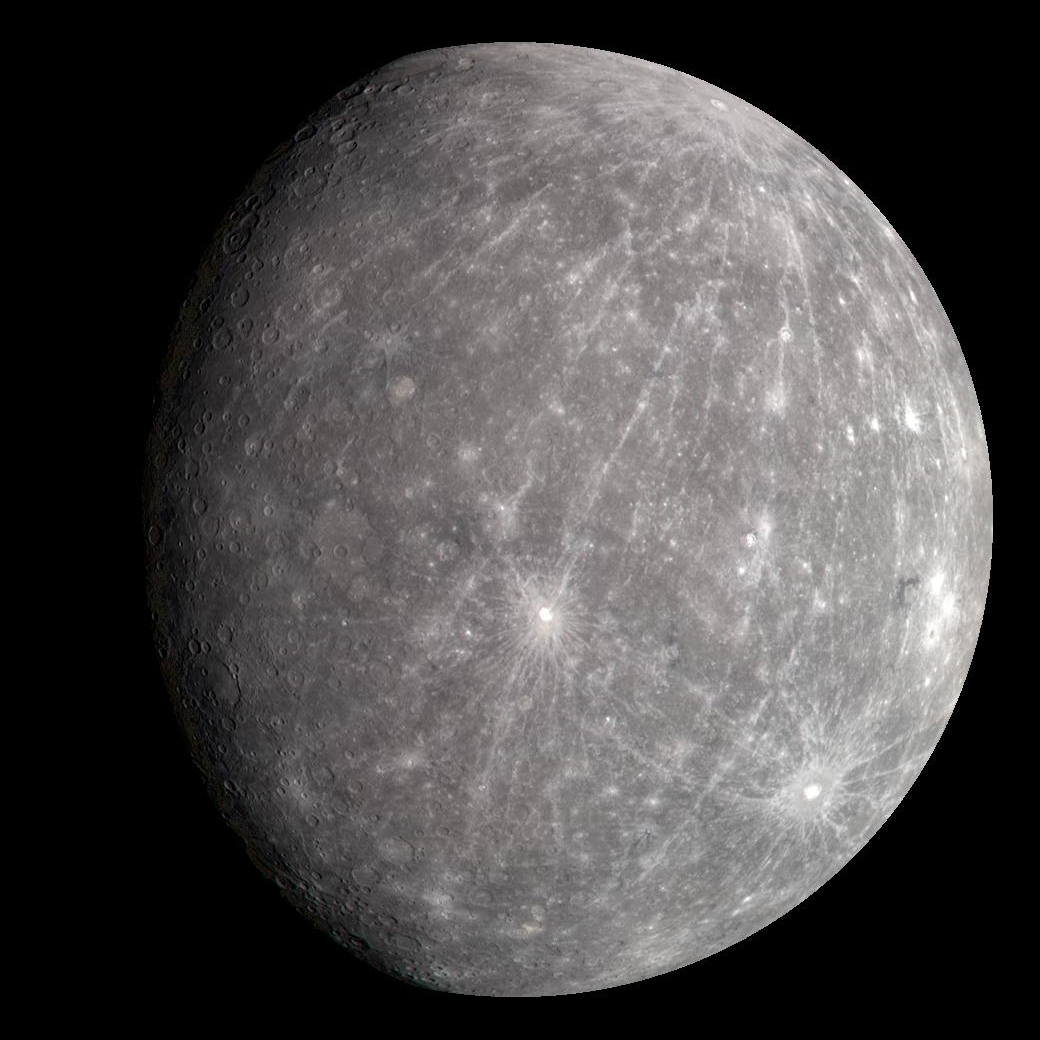
1. Mercury
The smallest planet and the closest to the Sun. Covered in craters, and boiling hot by day but freezing cold at night.
Our Solar System is made up of the Sun and everything that travels around it — eight planets, their moons, and millions of lumps of rock and ice.
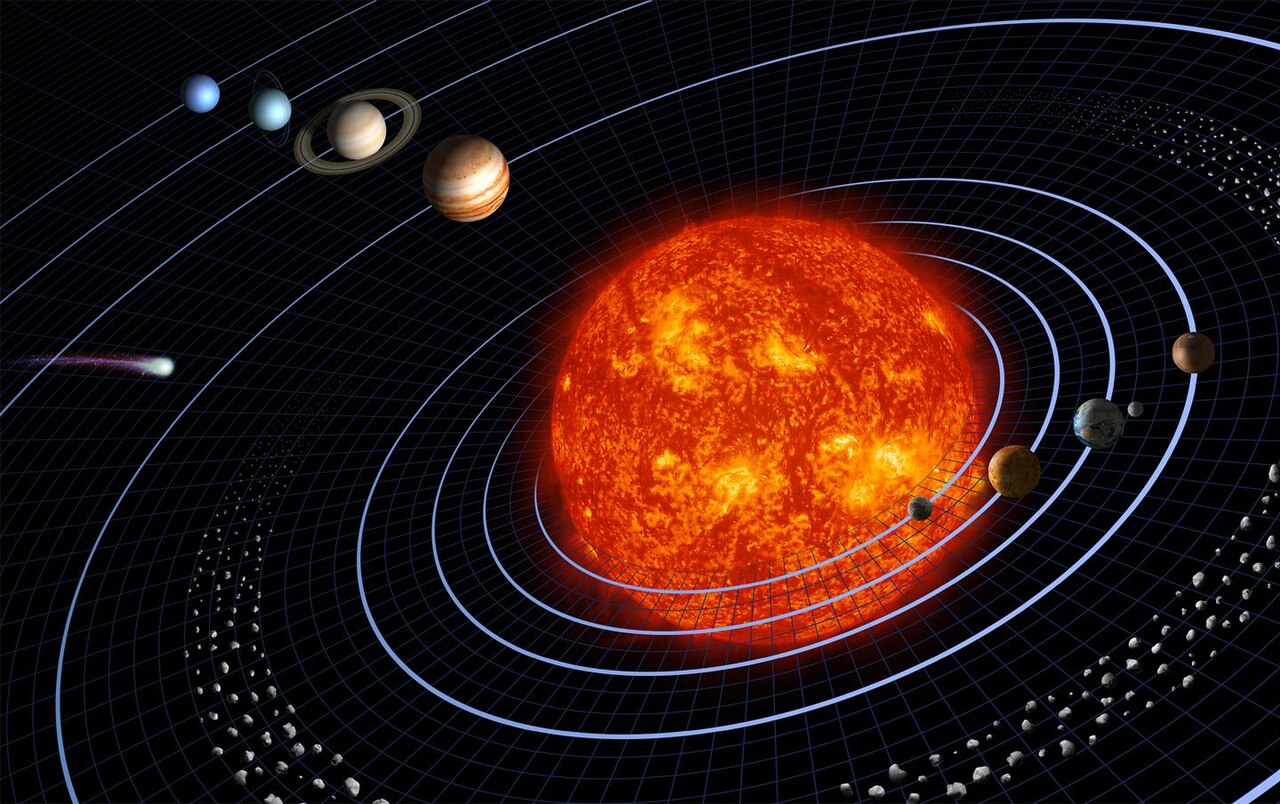
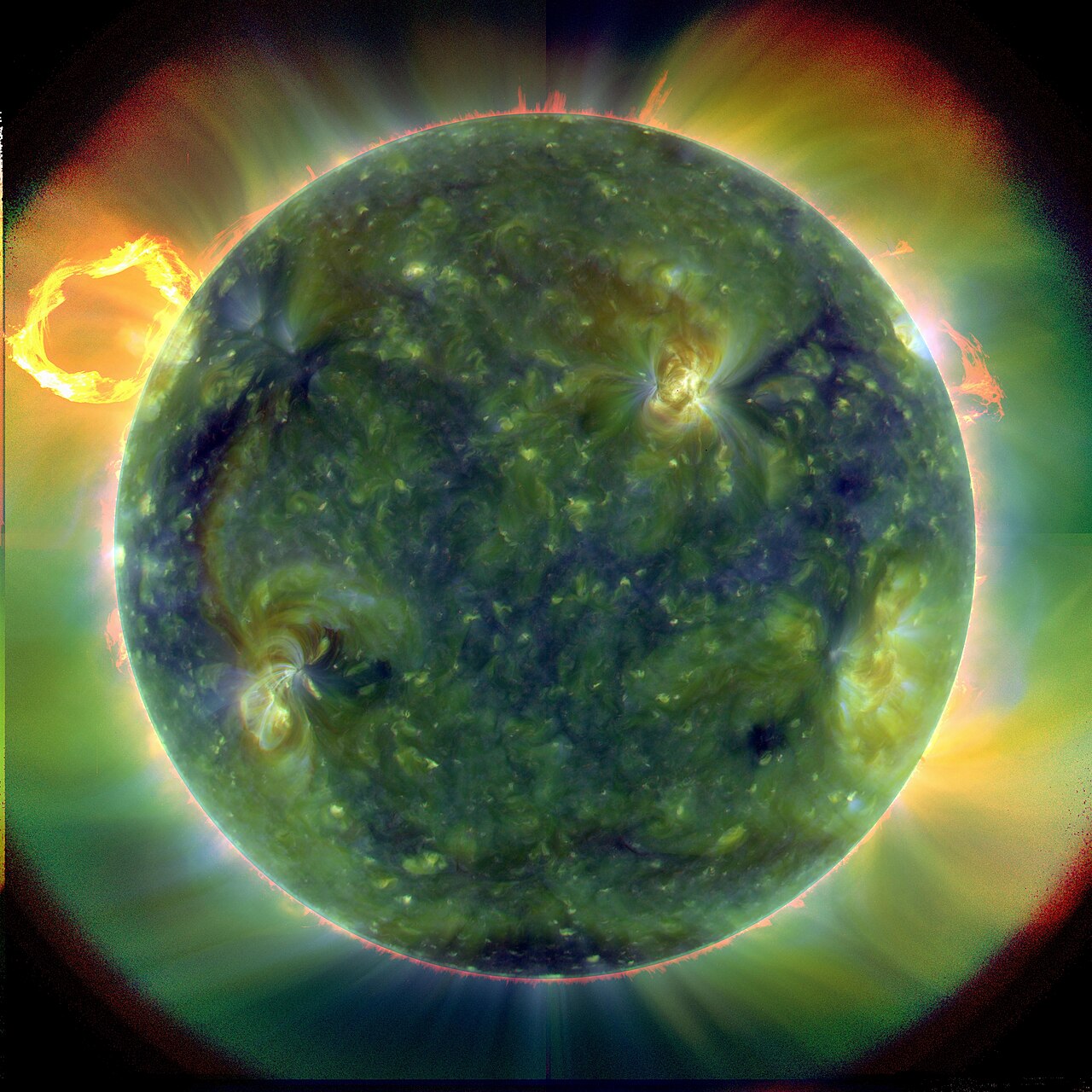
The Sun is a star — a gigantic ball of burning gas. It is by far the biggest thing in the Solar System. If the Sun were hollow, you could fit about one million Earths inside it.
The Sun's gravity is what holds everything else in place. Without it, the planets would simply drift off into space. It also gives us the light and heat that make life on Earth possible.
The four planets closest to the Sun are small, solid and rocky. You could stand on all of them — though you certainly would not want to.
The smallest planet and the closest to the Sun. Covered in craters, and boiling hot by day but freezing cold at night.
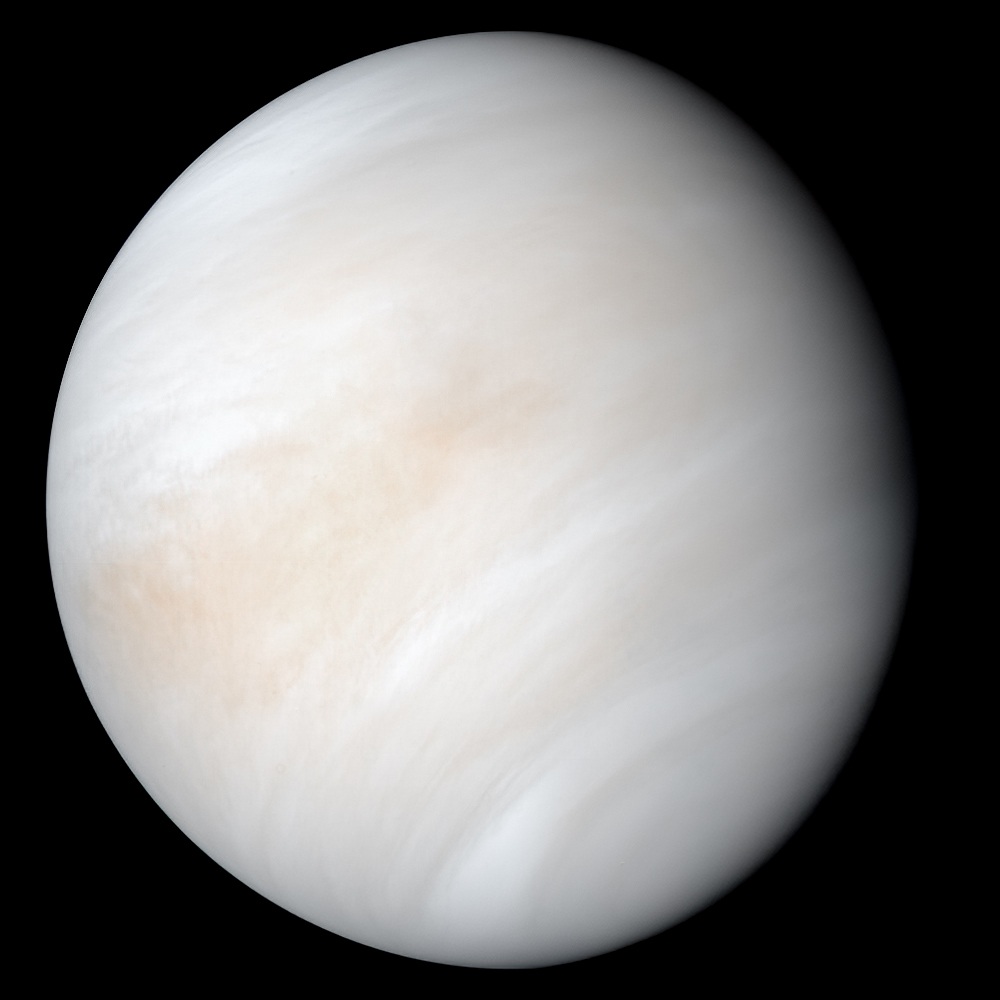
Wrapped in thick, poisonous clouds that trap heat. This makes Venus the hottest planet, even though Mercury is nearer the Sun.
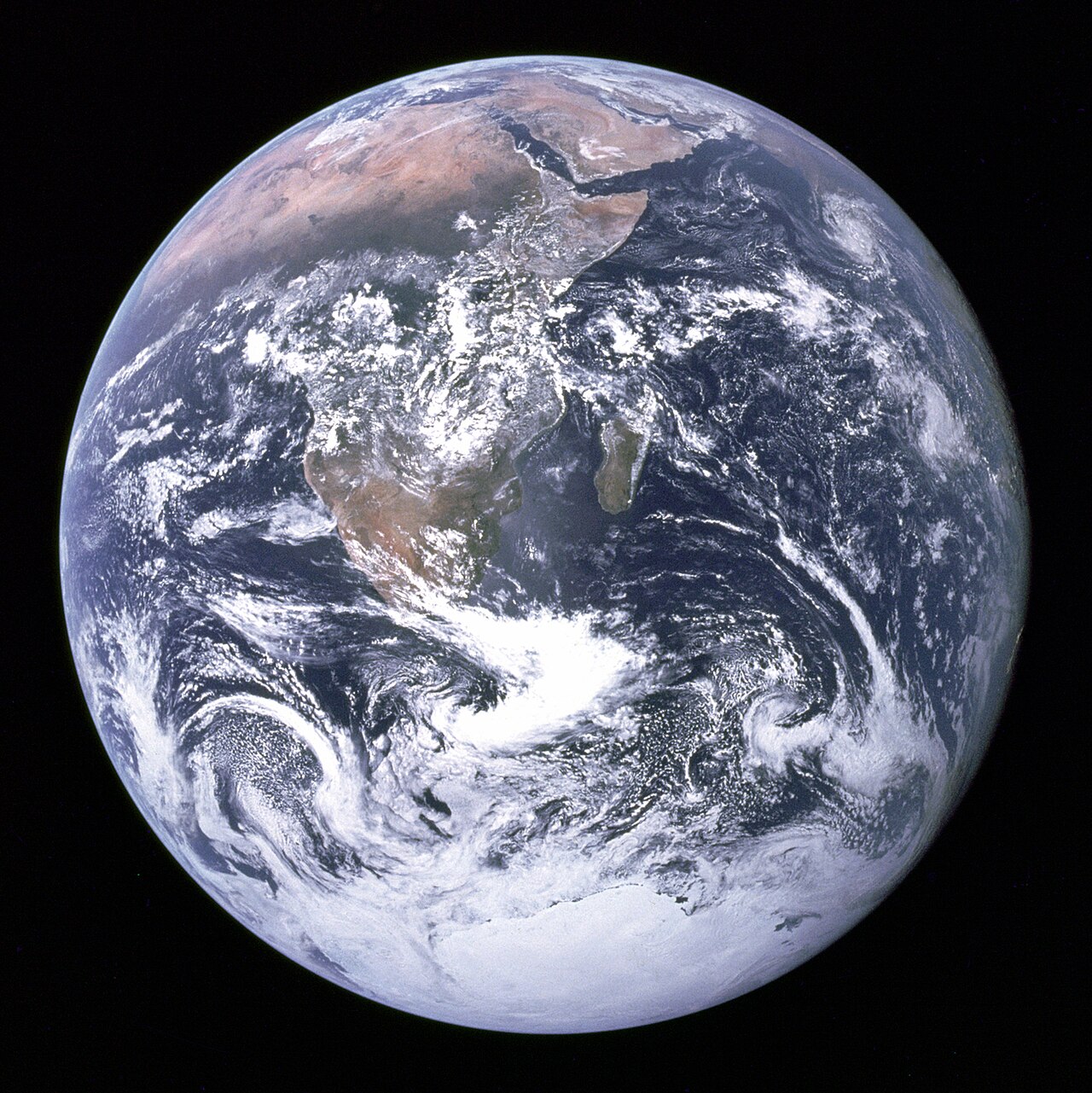
Our home, and the only place we know of with liquid water on its surface and living things.
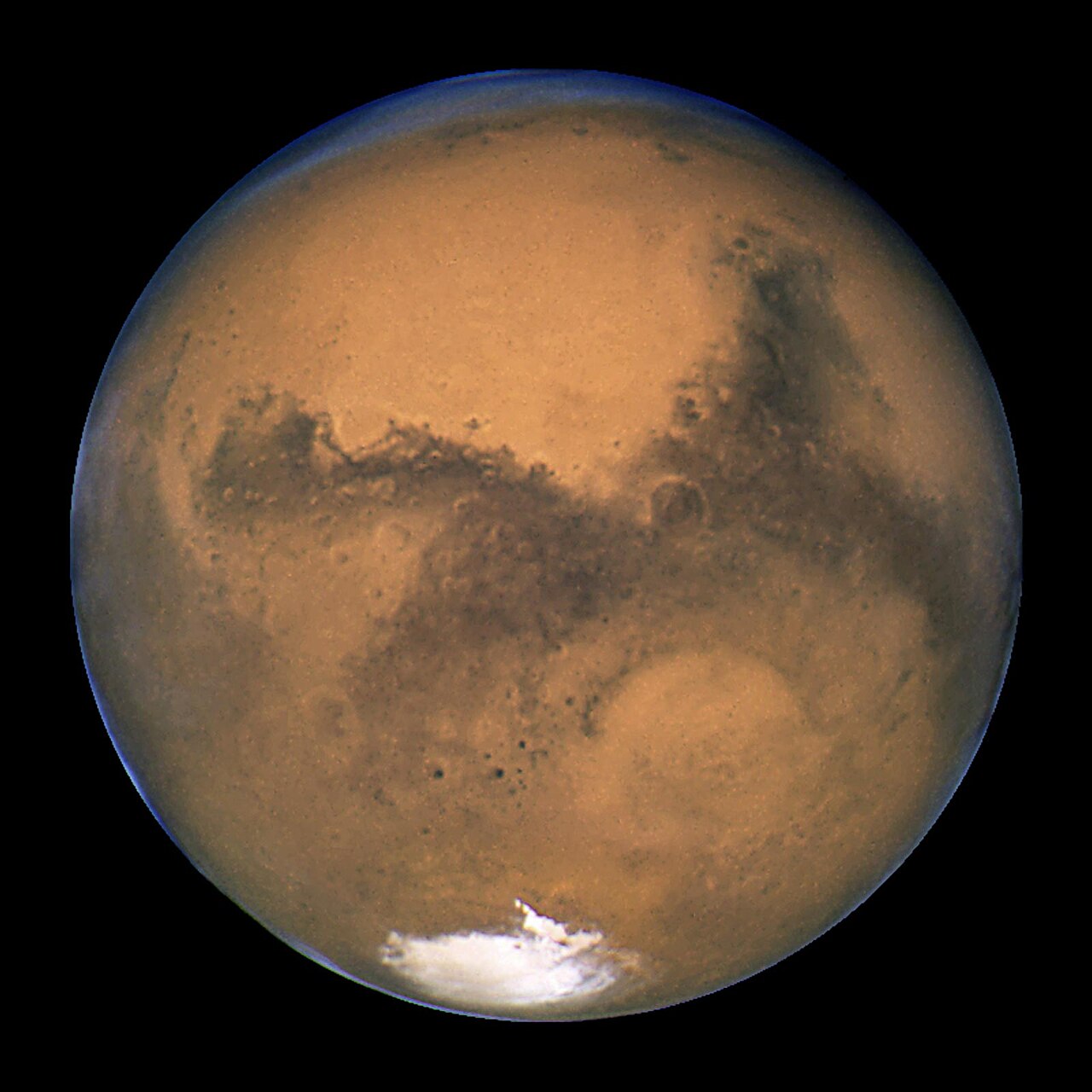
The rusty red planet. It has the tallest volcano in the Solar System and ice at both poles.
Beyond Mars the planets become giants. They have no solid surface to stand on — they are made mostly of gas and ice.
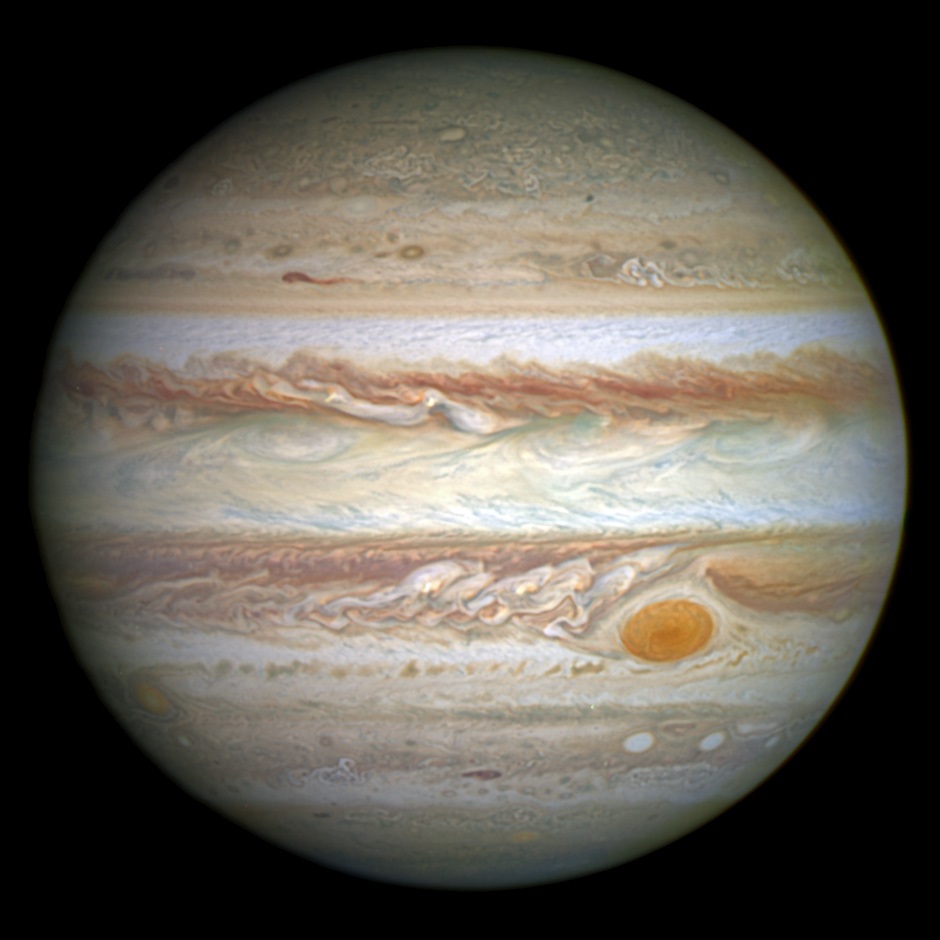
The biggest planet of all. Its Great Red Spot is a storm that has been raging for hundreds of years.
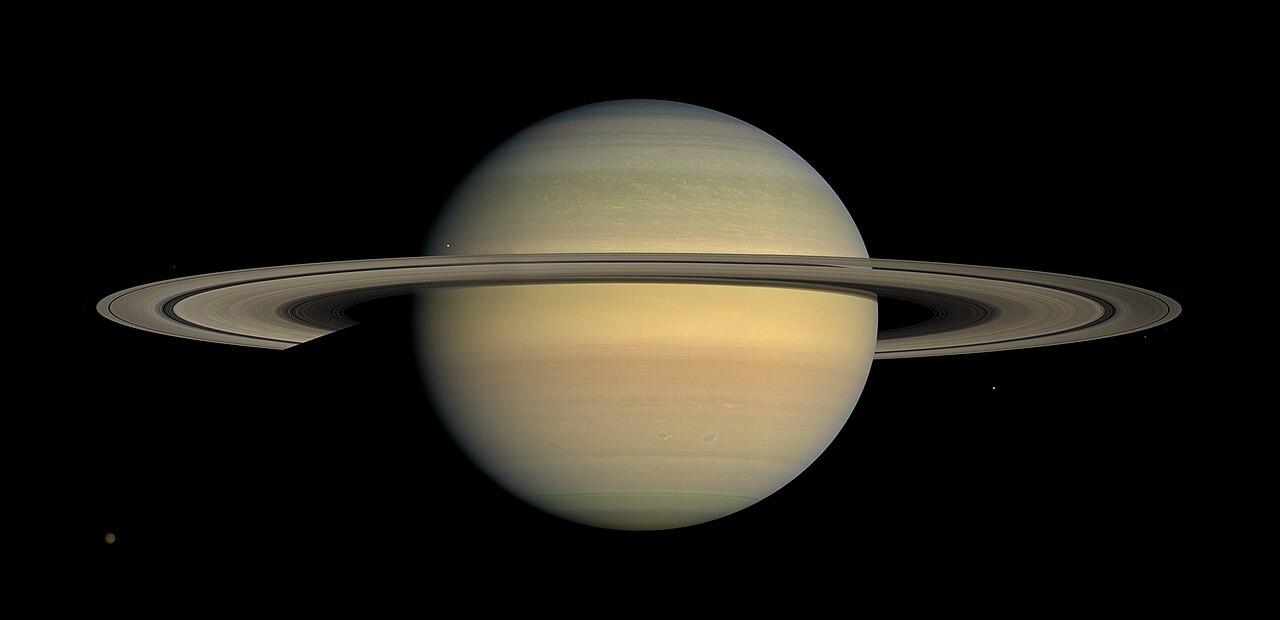
Famous for its beautiful rings, which are made of billions of pieces of ice and rock.
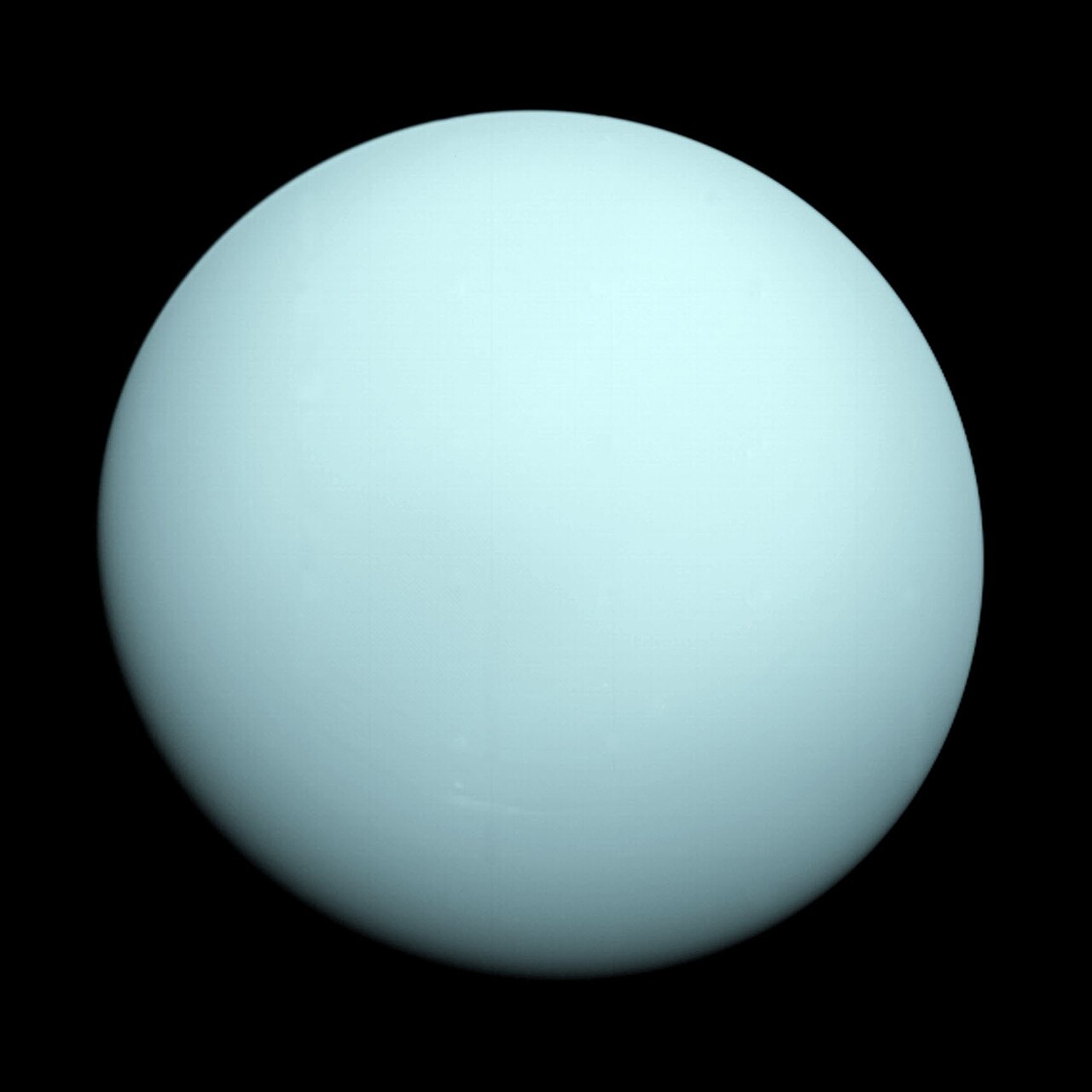
A pale blue-green ice giant. Strangely, it spins on its side, as though it has been tipped over.
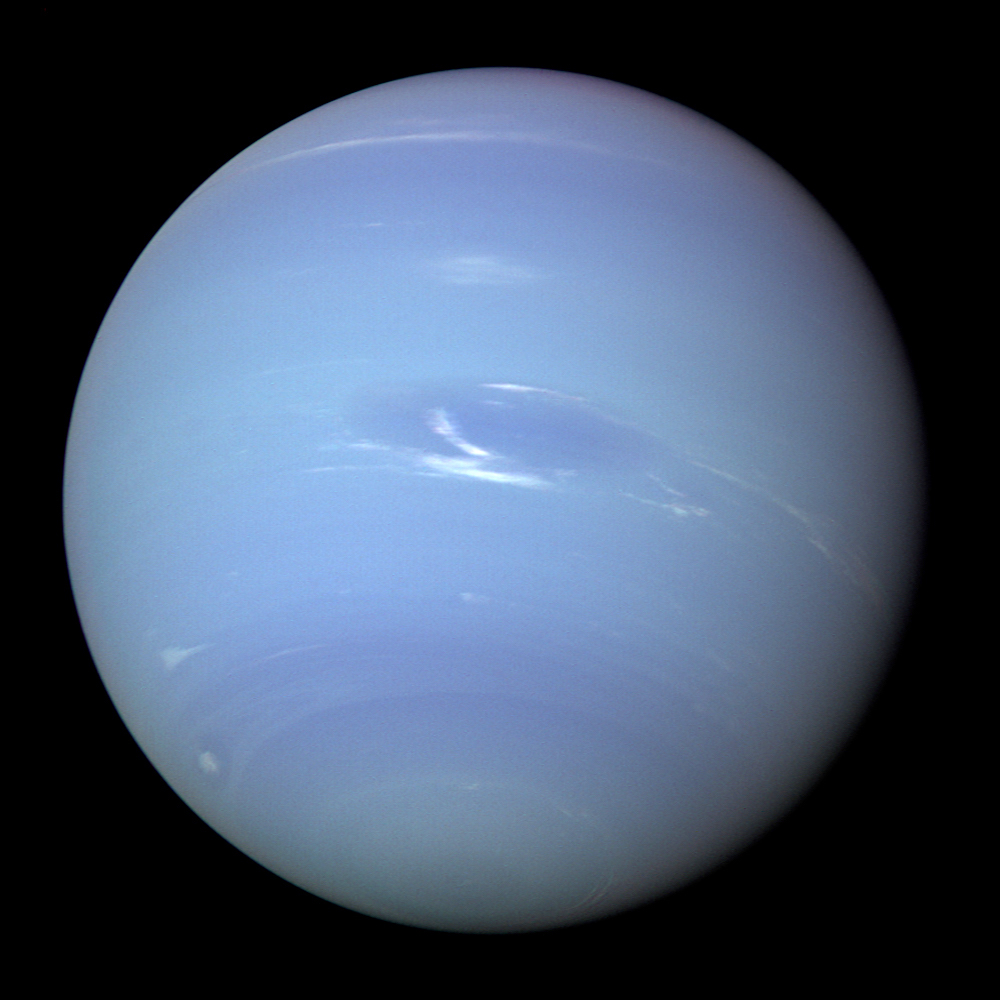
The furthest planet from the Sun, and the windiest — its storms blow faster than a jet aeroplane.
Five questions. You need 60% or more to pass, and you can change your answers before you finish.
All images are in the public domain and were sourced from Wikimedia Commons.